How Swiss Data Protection Laws Alter Bonus Structures on Mobile Poker Platforms
Dana Reed · Aug 24, 2026
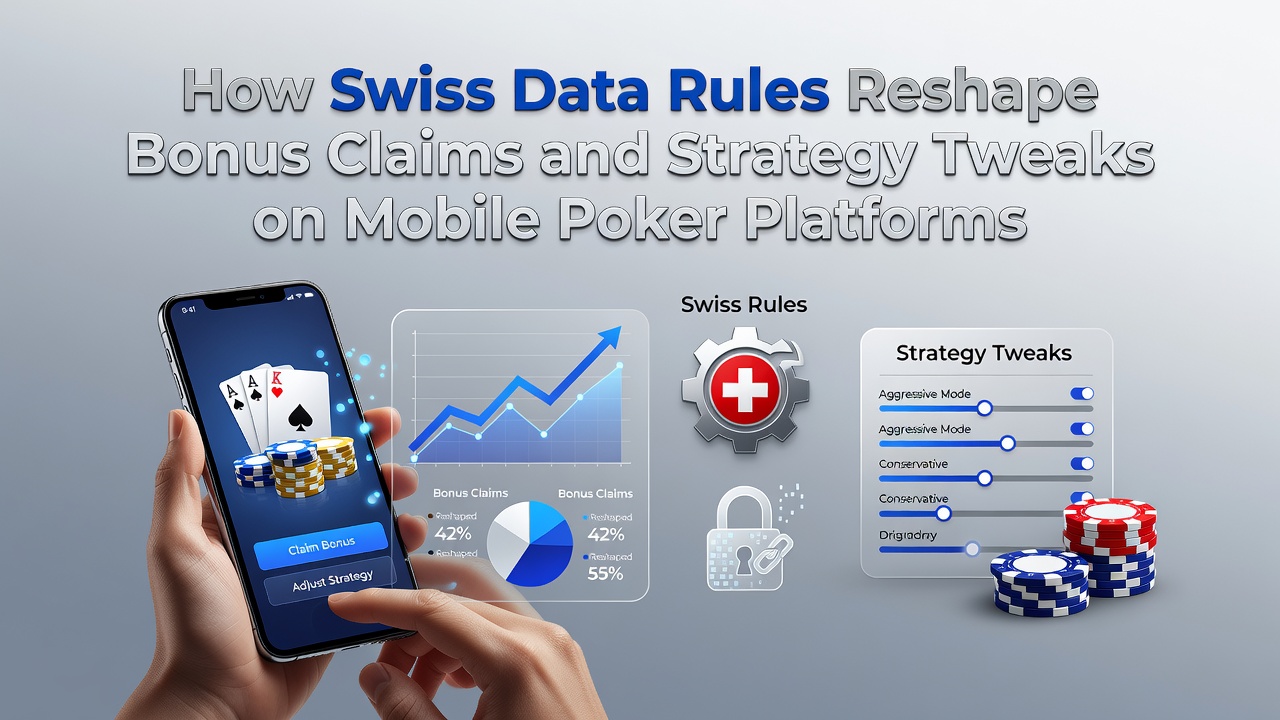
How Swiss Data Protection Laws Alter Bonus Structures on Mobile Poker Platforms
Swiss data protection requirements have introduced specific constraints on how mobile poker platforms handle user information during bonus claims and gameplay tracking, and operators must now adjust their systems to comply with the revised Federal Act on Data Protection while maintaining competitive offerings. Research from regulatory bodies shows that these rules emphasize explicit consent, data minimization, and user rights to access or delete personal records, which directly affects the data collected when players redeem promotional rewards.
Platforms operating in Switzerland process personal details such as location, device identifiers, and transaction histories to verify eligibility for bonuses, yet the law requires clear documentation of why each data point gets collected and how long it stays stored. Observers note that many operators have shifted to granular consent forms that let users approve or decline specific uses like marketing analysis or fraud detection, and this change has led to redesigned claim processes that separate bonus activation from optional data sharing agreements.
Consent Mechanisms and Bonus Verification
Under current rules, mobile apps must present consent options before any bonus-related data processing occurs, and players who withhold permission often find certain rewards unavailable until they grant access. Data indicates that this setup stems from the need to align with transparency obligations, where each purpose for data use receives separate approval rather than a single blanket agreement. Experts have observed that verification steps now rely more on anonymized or aggregated information in some cases, while still meeting anti-money laundering standards that require certain identity checks.
One study revealed that platforms introduced layered interfaces where bonus terms appear alongside privacy notices, allowing users to review both before proceeding, and this approach reduces the risk of non-compliance during audits. Those who've examined these systems report that rejection rates for bonus claims have risen in instances where consent was not fully obtained, prompting developers to add real-time prompts that explain data implications in plain language.
Strategy Adjustments in Mobile Gameplay
Player strategy on mobile poker platforms has evolved because tracking tools that previously logged detailed session data now face limits on retention periods and cross-device sharing. Research indicates that many apps limit the storage of hand histories and betting patterns to shorter windows unless users provide renewed consent, which influences how individuals review past performance or adjust their approaches based on historical trends.
What's interesting is that some platforms now offer in-app features that process strategy recommendations locally on the device without transmitting full datasets to central servers, and this method helps satisfy data minimization principles while still delivering value to users. Observers note that tournament participants often discover they must manage their own records more carefully since automated export tools have become restricted to comply with deletion rights under the law.

Figures from industry reports show that adjustments in bonus structures include shorter validity periods for rewards and requirements for repeated consent checks, which prevent long-term accumulation of player profiles that could violate storage limits. And because mobile environments collect geolocation and network data automatically, operators have begun filtering these inputs during bonus eligibility checks to avoid unnecessary processing.
Regulatory Updates and Platform Responses
Amendments scheduled for review in August 2026 may further clarify how international data transfers affect Swiss poker services, especially when platforms rely on servers located outside the country. According to guidance from the Swiss Federal Data Protection and Information Commissioner, operators continue to refine their protocols around international transfers to maintain compliance as enforcement practices develop. Those monitoring the sector report that several major apps have already implemented region-specific data handling modules that activate based on user location detected at login.
Academic analyses from Canadian research institutions highlight similar patterns in other jurisdictions where data rules prompted shifts toward privacy-by-design architectures, and Swiss platforms appear to follow comparable paths by embedding consent management directly into bonus workflows. This integration means that strategy tweaks often involve selecting games or stakes that align with the data permissions granted rather than maximizing every available reward.
Conclusion
Swiss data rules continue to shape how mobile poker platforms structure bonuses and support player decision-making through requirements for consent, limited retention, and transparent processing. Evidence from regulatory filings and operational changes demonstrates that these adaptations maintain legal alignment while preserving core functionality for users across different devices and regions. As updates approach in 2026, further refinements in data handling practices are expected to emerge from ongoing compliance efforts.