Swiss Casino Poker Tables and the Subtle Influence of Local Regulations on Tournament Payout Structures
Petra Schröder · Aug 22, 2026

Swiss Casino Poker Tables and the Subtle Influence of Local Regulations on Tournament Payout Structures
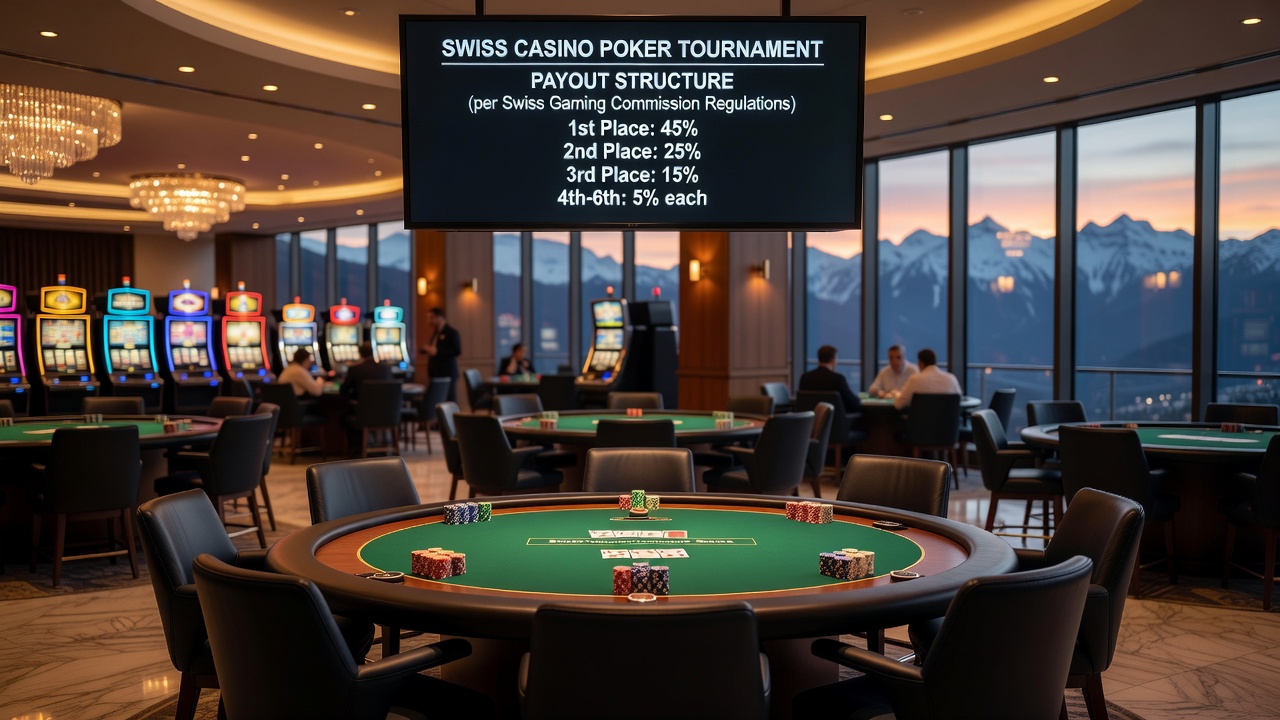
Swiss casino poker tables operate under a framework where cantonal authorities issue licenses that shape how tournaments distribute prize money, and these local rules create variations across different regions of the country. Casinos in places like Geneva or Zurich must align their payout structures with specific guidelines on minimum prize pools and tax withholdings, which affects how organizers calculate percentages for top finishers versus mid-tier placements. Data from the Swiss Federal Gaming Board shows that these requirements often lead to standardized rake contributions that fund guaranteed payouts, ensuring tournaments meet legal thresholds before any player entries begin.
Local regulations also dictate the timing and frequency of events, which in turn influences when larger prize pools become available. Observers note that cantons enforce limits on the number of high-stakes tournaments per quarter, prompting operators to adjust payout ladders accordingly so that smaller events still comply with fairness mandates while building toward bigger August 2026 festivals. Those who track Swiss gaming trends point out that this staggered approach prevents any single location from dominating the schedule, distributing player traffic more evenly across the national landscape.
How Cantonal Oversight Shapes Prize Distribution
Each Swiss canton applies its own layer of review to poker tournament formats, and this creates subtle differences in how payouts scale with field size. In one region, for example, regulations might require a fixed percentage of the total pool to go toward the top three places, whereas neighboring areas allow more flexibility in spreading rewards down to tenth place or beyond. Figures from industry reports indicate that these variations stem from efforts to balance player protection with casino revenue goals, leading organizers to recalibrate structures each time they cross cantonal borders.
Researchers at institutions tracking European gaming patterns have documented cases where a single regulatory tweak in tax treatment prompted immediate adjustments to payout formulas, such as increasing the number of paid positions to maintain net returns for participants. This process unfolds quietly behind the scenes, with compliance teams reviewing every detail before events launch, and the results show up in the fine print of tournament flyers distributed at casino entrances.
Impact on Table Configurations and Event Planning
Swiss casino poker tables themselves reflect regulatory priorities through their physical setup and capacity limits, which feed directly into how tournaments manage payout timelines. Maximum table occupancy rules enforced at the local level determine how many players can enter before organizers must expand the prize pool or cap registration, and these constraints ripple through the entire payout hierarchy. Operators often schedule preliminary heats on midweek days to test compliance, then scale up for weekend main events where the accumulated data informs final distribution percentages.
What's interesting is that these local rules encourage casinos to collaborate across cantons on shared standards for software used to calculate payouts in real time, reducing errors that could trigger audits. Evidence from gaming association summaries suggests this cooperation keeps structures consistent enough for traveling players while still allowing room for regional customization, such as bonus payouts tied to specific local charity contributions required by certain licenses.
Regulatory Comparisons and Emerging Trends
Comparisons with systems in places like Canada and Australia highlight how Switzerland's decentralized model produces more granular variations in tournament economics than centralized national oversight would allow. A study from the University of Nevada's gaming research division, for instance, examined cross-border player flows and found that Swiss events often adjust payout guarantees seasonally to account for tourism patterns influenced by neighboring countries' calendars. These adjustments maintain competitive balance without violating any single canton's specific mandates on minimum returns.
According to data compiled by the European Casino Association, Swiss operators have increasingly incorporated digital tracking tools that automatically flag when proposed payout structures deviate from approved templates, streamlining the approval process ahead of major gatherings. This technology supports the subtle regulatory influence by providing transparent records that auditors can review quickly, and it has become standard equipment alongside the physical poker tables in most licensed venues.
Events planned around August 2026 will likely follow these established patterns, with organizers submitting detailed payout proposals to multiple cantonal boards well in advance to secure clearances. Those who've followed the schedule note that this advance coordination allows for smoother integration of international participants who arrive expecting structures aligned with their prior experiences in other regulated markets.
Conclusion
Swiss casino poker tables and the regulations that govern them demonstrate how localized decision-making produces measurable effects on tournament payout structures, from the number of paid spots to the timing of prize releases. These influences operate through licensing conditions, tax frameworks, and capacity rules that vary by canton yet converge on consistent player protections across the country. As planning continues for upcoming cycles including those in August 2026, the interplay between local oversight and operational needs remains a defining feature of the Swiss poker environment, supported by ongoing data collection from regulatory bodies and industry groups.